
Monday
[Editor's Note: FlashFiction.Net will be publishing tips from Tasha Cotter, one every Monday, for twenty weeks: 1.]
♦
My goal for this series of blog posts is for writers to save themselves a lot of time and frustration. This series is meant to get you on the path toward publication, provided you put in the work of writing and revising. Don't worry if you don't follow all these recommendations--who could? I'll be the first to admit that even I'm guilty of sometimes not using my time wisely--look for my tip on social media! But overall this series contains hard-won truths on how to make writing a bigger part of your life. I hope it clarifies the publishing guidelines, professional etiquette, and protocols you may have been unsure about in the past. More than anything, I hope it puts you on track toward opportunities you may not have imagined.
—Tasha
Twitter: @TashCotter
♦
Tip #2
Find A Writing Group
And by writing group I mean many things—two or three people who will reliably read and respond to your work, a creative writing club to meet occasionally to free-write and explore a writing exercise, or something more formal, like a creative writing workshop.
The important thing is to have a few people in your life that you can talk about your work with and discuss the joys and frustrations of the writing world, which most non-writers just can't understand because they don't have the background. Writers tend to share a lot of the same problems and predicaments, especially when you start getting genre-specific. You want a group of people to commiserate with, even if it's something informal or online, because writing can be a lonesome endeavor, and it's reassuring to know there are other people out there who are driven by the same desire to create rich, elaborate worlds, and see their work in print, like you.
Writing groups also allow you to literally see what does and doesn't work on the page. When asked about ways of becoming a better writer, I always tell people to get involved with a literary journal—become an editor if you can. When I edited my MFA program's literary journal I read hundreds of submissions and it exposed me to so many ideas and practices that I took back to my own work, and in some cases, learned from. In short, it fine-tunes your writer's antennae. Overall, you become a better reader, writer, and editor.
♦
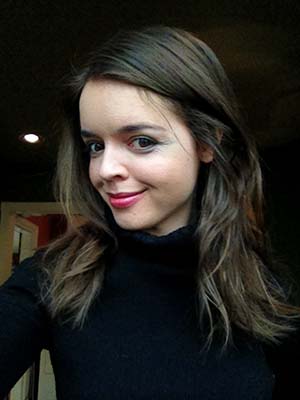
Tasha Cotter, @TashCotter, is a poet and fiction writer based in Lexington, Kentucky. She is the author of two chapbooks of poetry and the full-length collection, Some Churches (Gold Wake Press, 2013). You can find her online at www.tashacotter.com.
